
Why Sustainable Living in India Is the Future of Urban Development
India’s cities are expanding at an unprecedented rate. This rapid growth brings opportunities, but it also places immense pressure on our resources and environment. The traditional model of urban expansion is no longer viable. A new approach is necessary for a healthy and prosperous future. Sustainable living in India is this new approach. It is not just a personal lifestyle choice; it is the essential foundation for the future of urban planning in India.
This shift moves beyond individual actions. It involves a complete reimagining of how we design, build, and live in our cities. From the materials used in construction to the energy that powers our homes, sustainability is the key to creating urban centers that are resilient, efficient, and enjoyable for generations to come.
The Urgent Need for Sustainable Development in India’s Cities
Indian cities face significant challenges. The population is increasing, which strains infrastructure like water supply, electricity grids, and waste management systems. Air and water pollution levels are a major concern for public health. Climate change further complicates these issues with unpredictable weather patterns and rising temperatures.
These pressures show that the current path of urban development in India requires a major course correction. We need cities that consume fewer resources and produce less waste. Sustainable development in India provides a clear roadmap. It aims to meet the needs of the present without compromising the ability of future generations to meet their own needs. This means building smarter, greener, and more efficient urban environments.
What Does Sustainable Living in India Actually Look Like?
Sustainable living is a multi-layered concept. It applies to individuals, communities, and the very structure of our cities. Understanding these layers helps clarify how every part of society contributes to a greener future.
At the Individual Level: Small Changes, Big Impact
Personal choices create a powerful ripple effect. When individuals adopt sustainable habits, they drive demand for greener products and services. Simple actions include:
- Reducing household waste through composting and recycling.
- Conserving water by fixing leaks and using water-efficient fixtures.
- Minimizing electricity consumption by choosing energy-efficient appliances.
- Supporting local farmers and businesses to reduce carbon footprints from transportation.
At the Community Level: The Power of Collective Action
Communities amplify individual efforts. Sustainable housing projects in India often include shared amenities that promote a green lifestyle. These can include community gardens for growing fresh produce, shared composting pits, and organized carpooling programs. These initiatives build a strong sense of community and make sustainable practices easier and more accessible for everyone.
At the Structural Level: The Role of Green Buildings and Infrastructure
The most significant impact comes from structural change. This is where green buildings in India play a critical role. A green building is designed to minimize its environmental impact throughout its lifecycle. This involves everything from the choice of construction materials to its daily operations. Eco-friendly homes in India are no longer a niche concept; they are becoming a central part of modern urban development.
The Pillars of Eco-Friendly Homes and Green Buildings in India
A truly sustainable building rests on several key pillars. These elements work together to create homes that are good for the planet and for the people who live in them.
Energy Efficiency and Renewable Energy in Indian Homes
A primary goal of a green building is to reduce its energy consumption. This is achieved through both passive design and active technology.
- Passive Design: This involves using the building’s architecture to maximize natural resources. Large windows oriented to capture daylight reduce the need for artificial lighting. Cross-ventilation designs promote natural airflow, decreasing reliance on air conditioning.
- Active Technology: The integration of renewable energy in Indian homes, primarily through rooftop solar panels, is a game-changer. It allows homes to generate their own clean electricity. Additionally, using BEE 5-star rated appliances and LED lighting drastically cuts down on energy use.
Water Conservation and Management
Water is a precious resource, especially in urban India. Green buildings incorporate advanced systems to conserve it.
- Rainwater Harvesting: Collecting rainwater from rooftops and storing it for non-potable uses like landscaping and toilet flushing reduces dependence on municipal water supplies.
- Water-Efficient Fixtures: Installing low-flow taps, showers, and dual-flush toilets can reduce a household’s water consumption by over 30%.
- Wastewater Treatment: On-site sewage treatment plants (STPs) can treat wastewater, making it safe for reuse in irrigation and cleaning.
Sustainable Materials and Construction
The materials used to build a home have a large environmental footprint. Green construction focuses on using materials that are responsible and have a low impact. This includes using locally sourced materials to reduce transport emissions, incorporating recycled steel and fly ash bricks, and using low-volatile organic compound (low-VOC) paints that improve indoor air quality.
Waste Management and Reduction
Efficient waste management is built into the design of a sustainable project. This includes providing separate chutes or bins for wet, dry, and recyclable waste on every floor. Many new projects also feature on-site organic waste converters that turn kitchen scraps into nutrient-rich compost for gardens, creating a circular system.
How Sustainable Housing Projects Are Shaping India’s Urban Future
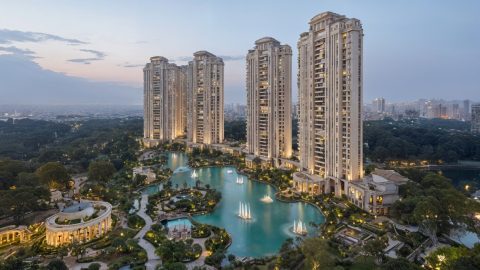
The shift is moving from single green buildings to entire sustainable cities in India. These integrated townships and communities are designed from the ground up with sustainability as a core principle. They combine climate-friendly homes in India with the necessary smart and green infrastructure India needs.
This includes well-planned road networks that encourage walking and cycling, extensive green spaces like parks and gardens, and mixed-use development where homes, offices, and shops are close together. This reduces the need for long commutes and promotes a healthier, more active lifestyle.
The benefits of sustainable living in these projects are clear. Residents enjoy lower utility bills due to energy and water savings. They experience better health from improved air quality and access to green spaces. The market is responding to these advantages. A growing number of eco-conscious homebuyers in India are actively looking for properties that align with their values, driving growth in the green real estate market in India.
Looking Ahead: Sustainability Trends 2025 India
The journey towards sustainable urbanism is constantly progressing. Several key trends will define the next phase of development.
- Net-Zero Buildings: These are buildings that generate as much renewable energy as they consume over a year. This is the next frontier for green construction.
- Circular Economy: The construction industry will move away from a “take-make-waste” model. It will focus on reusing and recycling materials to minimize waste and resource extraction.
- Increased Green Certification: More developers will seek certifications like IGBC (Indian Green Building Council) and GRIHA (Green Rating for Integrated Habitat Assessment) to validate their sustainability claims.
- Policy Support: Government policies will likely offer more incentives for green construction, making it more financially attractive for both developers and buyers.
These sustainability trends 2025 India show a clear direction. The future of our cities is green, and the real estate sector is a key player in this important transformation.
Conclusion: Building a Greener Tomorrow, Together
The path to a sustainable future for India’s cities is clear. It requires a collective effort. Individuals must make conscious choices, communities must adopt green practices, and developers must commit to building responsibly. Sustainable living in India is no longer an alternative; it is the only way forward for healthy and resilient urban development in India.
By embracing green buildings, investing in smart infrastructure, and prioritizing the well-being of both people and the planet, we can build cities that are not just engines of economic growth but also vibrant, healthy, and sustainable places to call home. The future is being built today, and its foundation must be green.