
How Sustainable Architecture in Pune Is Evolving Towards Smart Design
Pune’s skyline is changing rapidly. The city’s transformation from a quiet town to a major IT and industrial hub has created a demand for new kinds of living and working spaces. This growth brings challenges, including increased pressure on natural resources like water and energy. In response, a new trend is shaping the city’s future: the fusion of sustainable architecture with smart design. This evolution is not just a choice; it is a necessity for modern urban development.
This article explores the rise of sustainable architecture in Pune. We will examine the key factors driving this change, the core principles of green building, and how smart technology is making these buildings more efficient and livable. For eco-conscious homebuyers and real estate professionals, understanding these trends is vital to making informed decisions in Pune’s dynamic property market.
The Driving Forces Behind Pune’s Green Building Movement
Several factors unique to Pune are accelerating the adoption of sustainable and smart building practices. These drivers create a fertile ground for innovation in real estate.
Responding to Pune’s Unique Climate
Pune has a hot semi-arid climate, characterized by hot summers and moderate winters. This climate directly influences building design. Climate-responsive architecture in Pune is a practical approach that works with the local environment, not against it. Architects now prioritize designs that maximize natural light without causing overheating. They orient buildings to capture prevailing breezes for natural ventilation. Shaded windows, green roofs, and cavity walls are features that reduce reliance on air conditioning, a major consumer of electricity in residential and commercial buildings.
Urbanization and Resource Strain
Pune’s population has grown significantly over the last two decades. This rapid urbanization puts immense strain on the city’s infrastructure and natural resources. Water scarcity is a recurring issue, and the energy grid is often stretched to its limits. This reality has made sustainable urban development in Pune a critical goal. Developers and city planners now focus on creating eco-friendly buildings that manage their own resources effectively through methods like rainwater harvesting and on-site waste treatment.
The Influence of a Tech-Savvy Population
Pune is home to a large population of professionals working in the IT and engineering sectors. This demographic is generally well-informed, environmentally aware, and receptive to new technologies. These eco-conscious homebuyers demand more than just a place to live. They look for energy-efficient homes in Pune that offer lower utility bills and a smaller environmental footprint. Their interest in modern conveniences also drives the integration of smart home technology in Pune.
Government Policies and Green Certifications
Government initiatives and industry standards play a significant role. Certifications from bodies like the Indian Green Building Council (IGBC) and Green Rating for Integrated Habitat Assessment (GRIHA) provide a clear framework for green construction practices in Pune. These ratings encourage developers to adopt environmentally friendly methods by offering incentives and creating a benchmark for quality. Buyers, in turn, use these certifications as a trusted indicator of a property’s sustainability credentials.
Core Principles of Sustainable Architecture in Pune
Sustainable building is a holistic approach that considers a building’s entire lifecycle, from construction to demolition. In Pune, this translates into specific, practical applications.
Energy Efficiency: Beyond the Basics
Reducing energy consumption is a primary goal of sustainable building design in Pune. Modern projects achieve this through a combination of passive design and active technologies.
- Solar Power: The use of rooftop solar panels is becoming common in new residential complexes. These systems generate clean electricity, reducing dependence on the grid and lowering energy costs for residents. Many solar-powered homes in Pune can meet a significant portion of their daily electricity needs from the sun.
- High-Performance Materials: Double-glazed windows with special coatings reduce heat gain during the day, keeping interiors cooler. Advanced insulation materials in walls and roofs further prevent heat transfer.
- Efficient Systems: LED lighting is now a standard feature, consuming a fraction of the energy of older lighting technologies. Developers are also installing energy-efficient appliances and HVAC systems that minimize electricity usage.
Water Conservation: A Critical Priority
Water is a precious resource in Pune. Green buildings implement several strategies to conserve it.
- Rainwater Harvesting: Almost all new large-scale green real estate projects in Pune include extensive rainwater harvesting systems. Rainwater collected from rooftops and open spaces is filtered and stored in underground tanks. This water is then used for landscaping, cleaning common areas, and recharging groundwater levels.
- Wastewater Treatment: On-site sewage treatment plants (STPs) are increasingly common. These plants treat wastewater, also known as greywater, from kitchens and bathrooms. The recycled water is then used for flushing toilets and irrigating gardens, drastically reducing the demand for fresh water.
- Efficient Fixtures: The installation of low-flow taps, showerheads, and dual-flush toilets is a simple yet effective way to reduce daily water consumption within each home.
Environmentally Friendly Construction
The choice of materials has a major impact on a building’s environmental footprint. Environmentally friendly construction focuses on using resources responsibly.
- Local Sourcing: Using locally sourced materials, such as basalt stone found in the Pune region, reduces transportation costs and the associated carbon emissions.
- Recycled and Reused Materials: Builders are incorporating materials with high recycled content. Fly ash bricks, made from a byproduct of coal power plants, are a popular alternative to traditional clay bricks. Recycled steel and crushed concrete aggregates are also used to minimize waste.
- Improved Indoor Air Quality: To create healthier living spaces, developers use low-VOC (Volatile Organic Compound) paints, adhesives, and finishes. These materials release fewer harmful chemicals into the air, ensuring better indoor air quality for residents.
The Integration of Smart Design: Making Buildings Intelligent
The evolution of sustainable architecture in Pune is closely linked to the rise of smart technology. Smart design makes sustainable buildings more effective, responsive, and user-friendly. It provides the “brain” that optimizes the “green” body of the building.
Smart Home Technology for Resource Management
Smart home devices give residents direct control over their resource consumption, empowering them to live more sustainably.
- Automated Climate and Lighting Control: Smart thermostats learn a resident’s schedule and adjust the temperature automatically, preventing energy waste when no one is home. Smart lighting systems can be programmed or controlled remotely, and motion sensors ensure lights are only on when a room is occupied.
- Intelligent Window Coverings: Automated blinds and curtains can be scheduled to open or close based on the time of day or sun intensity. This simple feature helps manage natural light and heat, reducing the need for both artificial lighting and air conditioning.
- Water Usage Monitoring: Smart water meters can track household water consumption in real-time and even detect leaks early. This data helps residents understand their usage patterns and identify opportunities to conserve water.
Building Management Systems (BMS) in Larger Projects
For large residential towers and commercial complexes, a centralized Building Management System (BMS) is essential. This technology acts as the central nervous system for the entire property. A BMS monitors and controls key systems like HVAC (heating, ventilation, and air conditioning), lighting, water pumps, and security. By analyzing data from thousands of sensors, it optimizes performance, reduces operational costs, and ensures resources are used efficiently across the entire complex.
Connectivity and Lifestyle Enhancement
Smart design architecture in Pune also enhances the quality of life for its residents. It is about creating a seamless, convenient, and secure living experience. Features like smart door locks, video doorbells, and app-based controls for community amenities (like booking a clubhouse or paying maintenance bills) are becoming standard expectations for modern homebuyers.
The Future of Green Real Estate Projects in Pune
The integration of sustainability and smart technology is just the beginning. The next wave of modern architecture trends in Pune points a more integrated and nature-focused future.
Net-Zero Buildings: The Next Frontier
The ultimate goal for green architecture is the net-zero building—a structure that produces as much renewable energy as it consumes annually. While still rare, the first few net-zero projects are emerging globally, and the concept is gaining traction among forward-thinking developers in India.
Biophilic Design: Connecting with Nature
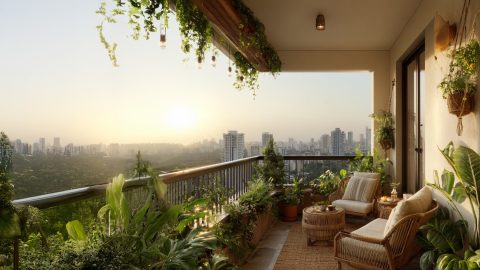
Biophilic design is a concept that seeks to connect building occupants more closely to nature. This involves incorporating natural elements like vertical gardens, green roofs, landscaped podiums, water features, and maximizing natural light and views. The goal is to create spaces that improve mental well-being and productivity.
Circular Economy in Construction
The principles of a circular economy are starting to influence construction. This involves designing buildings that can be easily deconstructed at the end of their lifespan. Materials can then be recovered and reused in new projects, minimizing landfill waste and conserving raw materials for future generations.
Conclusion: Building a Smarter, Greener Pune
The evolution of sustainable architecture in Pune is a direct response to the city’s growth and challenges. It is a movement driven by climate reality, resource constraints, and the demands of a new generation of homebuyers. By integrating smart design, these green buildings become more than just structures; they become dynamic systems that are efficient, comfortable, and responsible.
This shift represents a fundamental change in how we think about urban living. For architects, developers, and homebuyers, the focus is no longer just on location and amenities but on performance, health, and long-term value. As Pune continues to build its future, this blend of sustainability and intelligence will be the foundation for a healthier, more resilient, and truly modern city.