
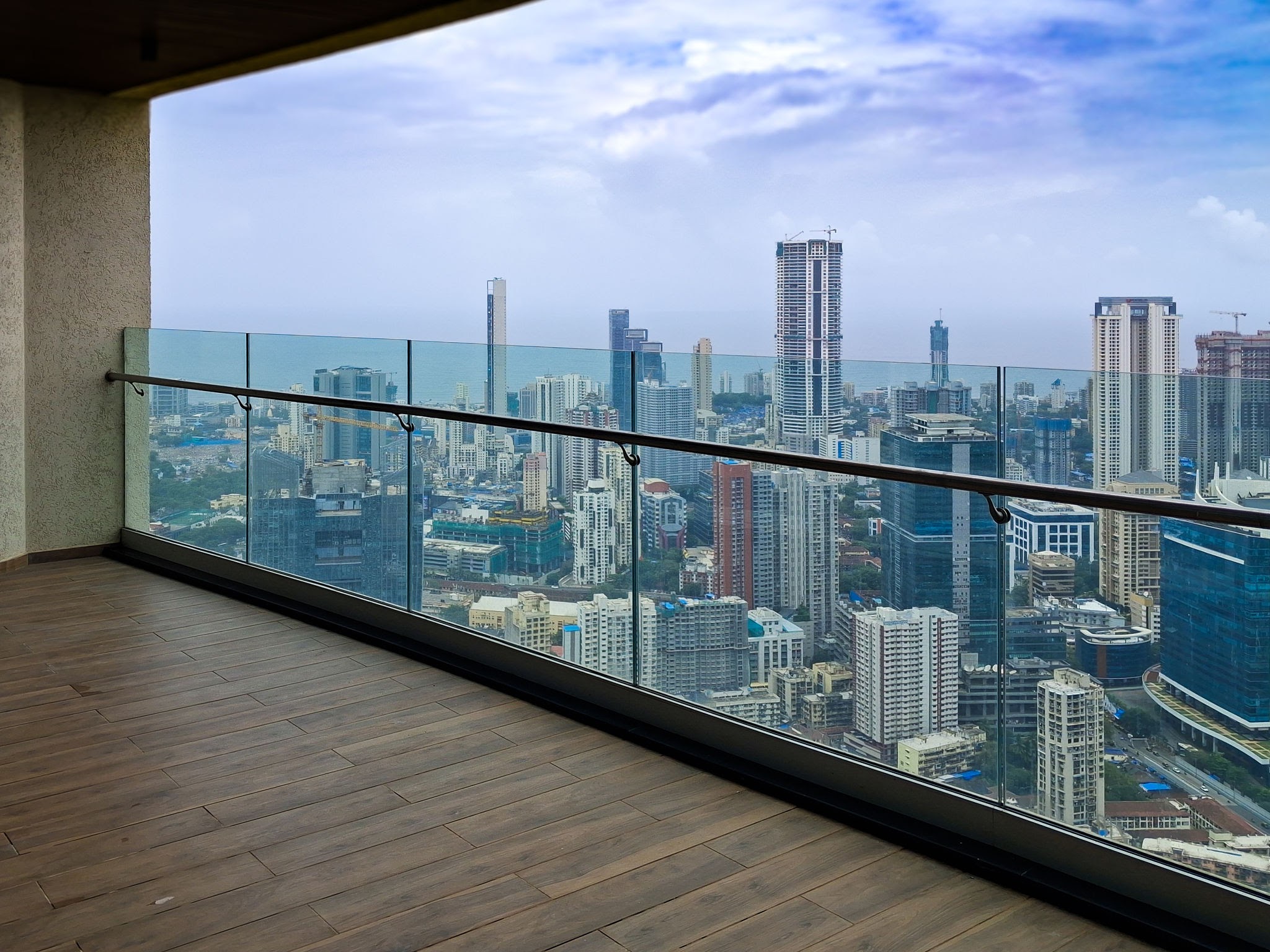
With landmark industrial IT corridors, robust automotive manufacturing clusters, and an incredibly dense corporate startup culture, Pune has firmly established itself as one of India’s most economically attractive and livable destinations. For early-to-mid career professionals enjoying robust upward income trajectories yet continuing to sink recurring capital into monthly lease payments across competitive sub-markets like Hinjewadi, Baner, or Hadapsar, a pivotal financial crossroad emerges: should rental habits be maintained, or is it time to systematically acquire property [cite: 1]?
Transitioning from structural rent outflows to intentional real estate asset acquisition accelerates early-stage wealth compounding and roots personal capital into a resilient, high-appreciating market segment. |
Capturing Equity Growth vs. Offsetting Landlord Liability
Rental outlays represent pure, unrecoverable lifecycle overhead that yields zero terminal capital value. Every single rental check written directly funds a third-party asset portfolio. Conversely, structuring monthly capital toward home loan EMI schedules operates as an automated, disciplined wealth-building tool incrementally expanding personal underlying equity in a real-world, high-demand physical asset with each payment.
Long-Term Shielding via Capital Appreciation
Distinct from public equities or unpredictable speculative instruments, Pune’s targeted infrastructure zones display clear, long-term historic resilience. Residential locations structurally aligned with major upcoming Metro infrastructure expansions, outer arterial ring roads, and primary corporate business engines reliably outstrip basic inflationary curves, offering homeowners a highly defensible compound growth engine. Projects like Kumar Primeview sit within exactly these high-growth corridors.
Maximizing Available Sovereign Tax Incentives
The Indian sovereign tax code aggressively underwrites long-term residential acquisition for white-collar professionals. Strategic buyers can aggressively deploy dual-pronged statutory deductions: taking advantage of direct reductions on underlying principal payments via Section 80C, while simultaneously offsetting comprehensive annual interest outlays under Section 24(b). This structural shield dramatically drops net tax exposure and boosts annualized personal savings rates.
Freezing Future Base Residential Overhead
Within aggressive growth environments like Pune, rental contracts consistently incorporate annual escalations ranging between 8% to 15%, leaving renters exposed to unchecked localized inflation. Locking in real estate ownership permanently stabilizes core domestic overhead profiles over multi-decade horizons, converting unpredictable market variables into predictable, fixed wealth allocations.
Compounding Cash Flows through Premium Rental Yields
Should professional opportunities eventually necessitate global relocation or career pivots outside Pune, a top-tier asset from an institutional developer effortlessly pivots into a high-yielding passive revenue instrument. The consistent influx of specialized technical talent and enterprise management professionals into Pune creates a permanent, premium tenant demographic waiting to occupy well-managed spaces.
Building a Defensible Legacy Early
Entering the residential property ownership tier does not require awaiting late-stage career maturity. Securing a highly functional, excellently situated 1 BHK or 2 BHK unit within an area of active growth lays an invaluable, permanent cornerstone for generational financial autonomy.